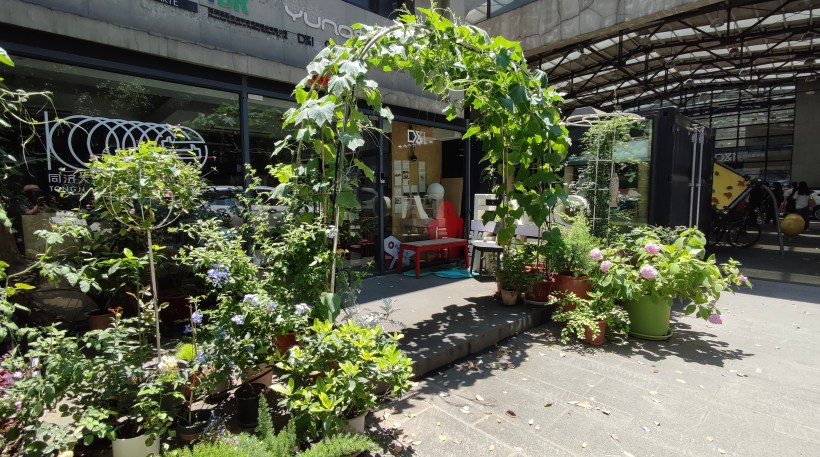
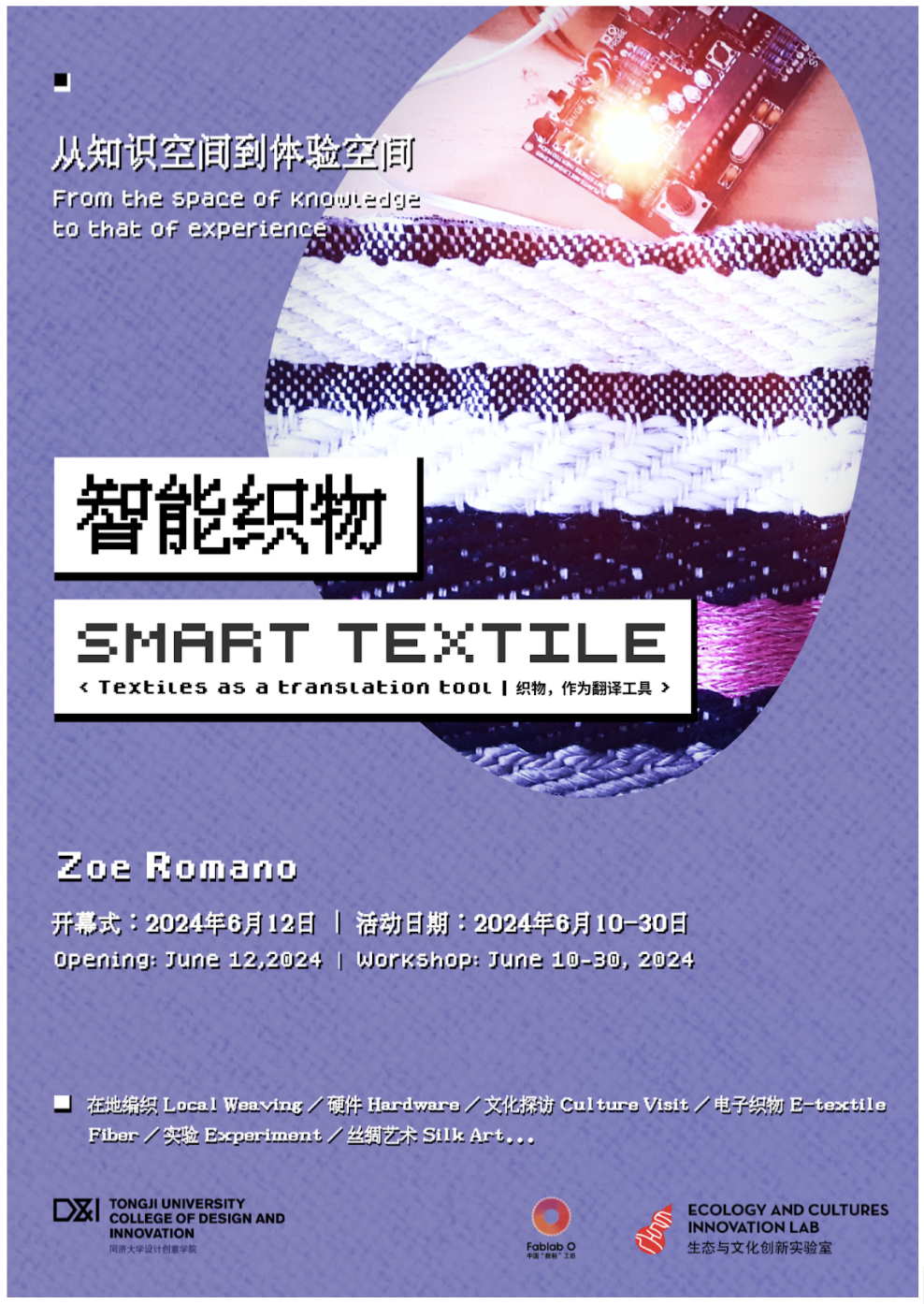
In June 2024, I participated in a summer residency at the Ecology and Cultures Innovation (Ecoculi) Lab at Tongji University founded by prof. Francesca Valsecchi. I had proposed a project on craft-tech and smart textiles titled “Textiles as a Translation Tool from the Space of Knowledge to That of Experience.” During my time at the Lab, I invited students to explore this interdisciplinary area, raising questions together about what new models for interaction might emerge when we engage with technology through textiles, and how we might reimagine traditional textile fabrication techniques as interactive components.
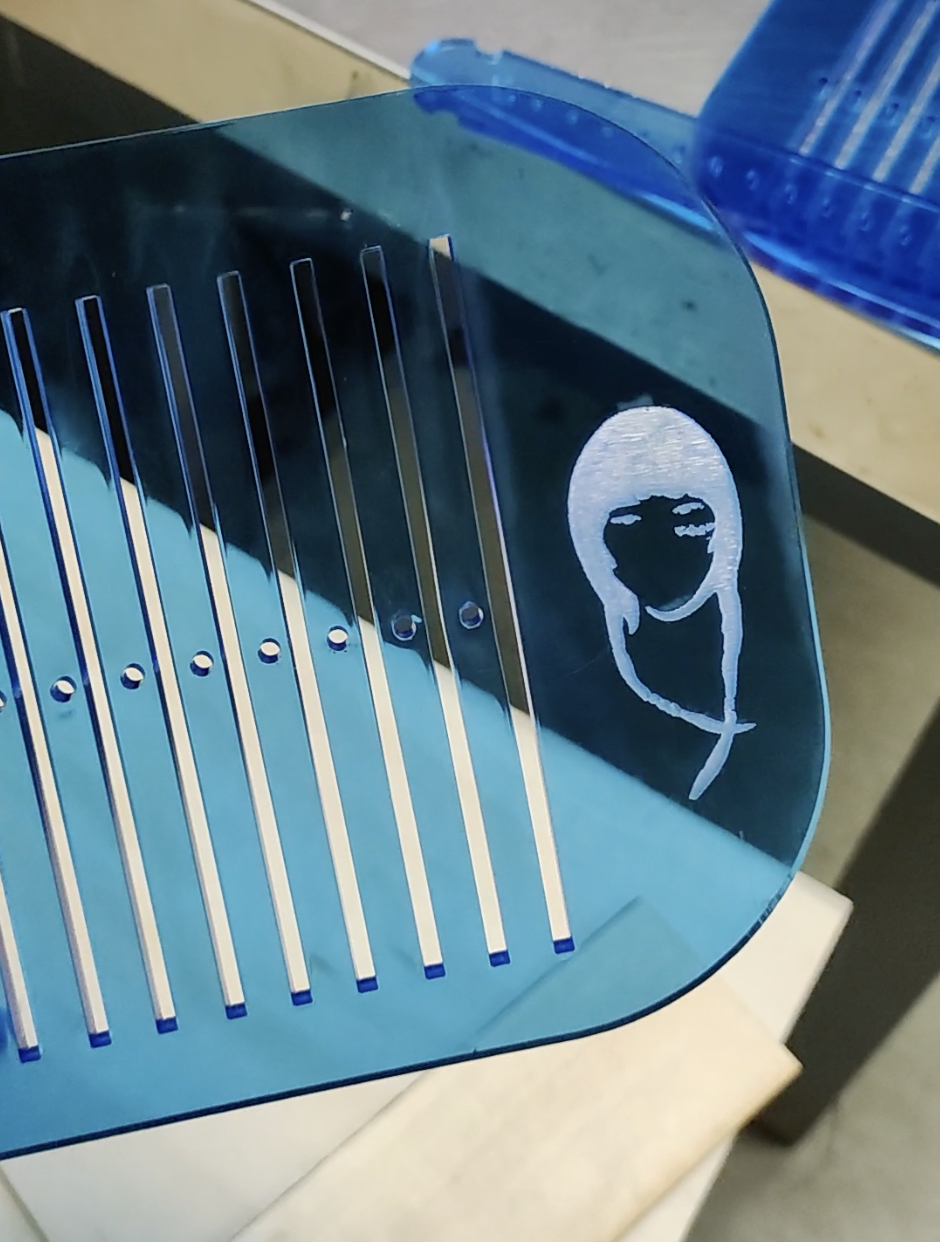
After a theoretical lecture on the topic, I moved to hands-on activities, introducing the tools and techniques of weaving to prepare students for the independent design explorations they would later undertake with smart materials. I brought the laser-cut loom that we co-developed at Serpica Naro, the cultural association I’ve been engaged with in Milan since 2005. The simple tool for back-strap weaving was not delivered as a physical object but as a digital file, an open-design common to be shared, produced locally, and, if needed, customized. The first action was to engage students in manufacturing the loom using leftover plexiglass material in the Fablab O Shanghai – the first Fab Lab opened in mainland China and managed by italian colleague Saverio Silli.
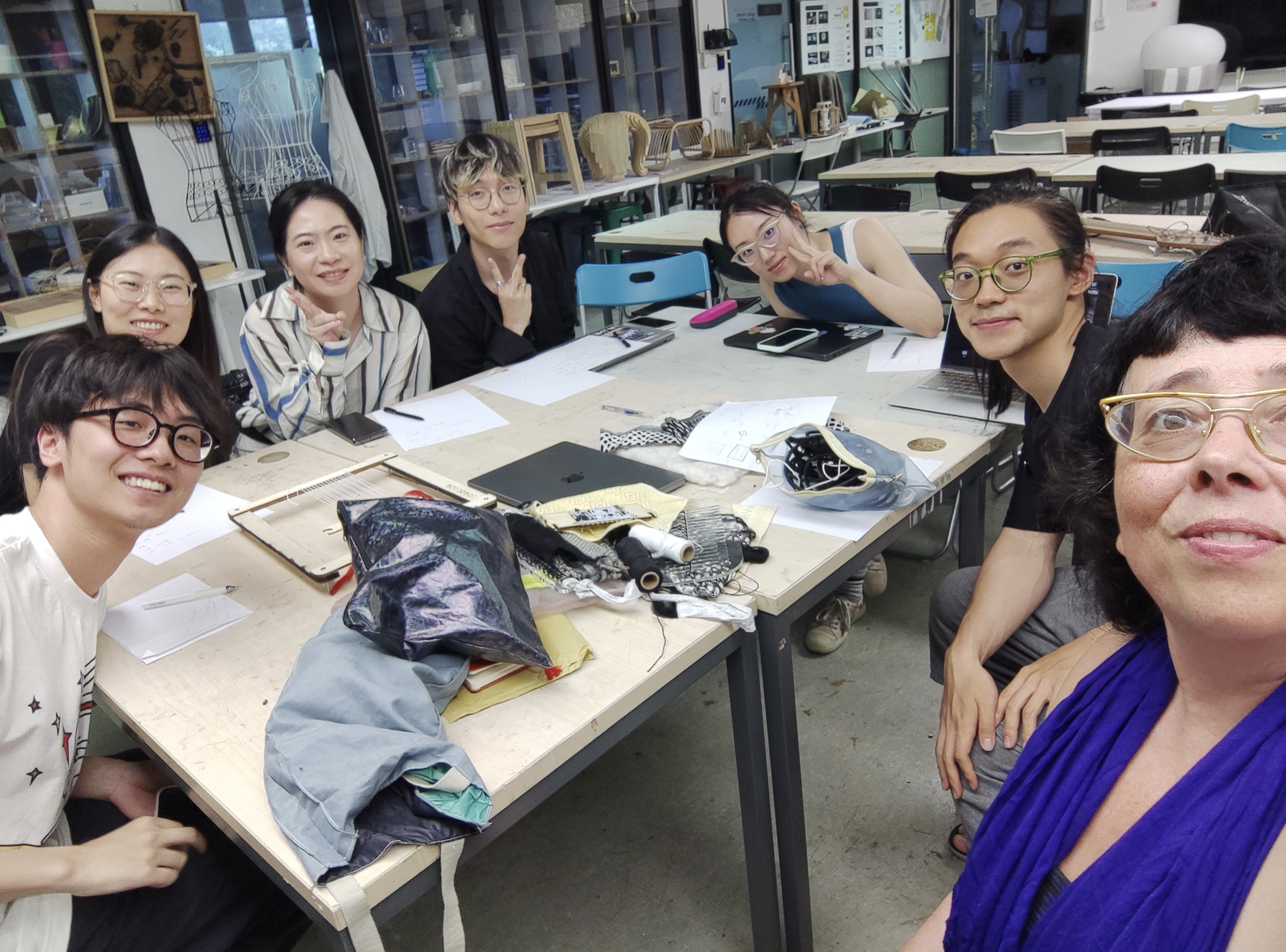
Participants brought their own yarn or materials to be woven and were introduced to the first steps of weaving, starting with loading the warp and then proceeding with the weft. I also introduced them to the various metal fibers that could be inserted in the weft to activate interactions with the digital world. The interaction with the textile was activated through an electronic board that converted the variation of resistance in the fiber into a recorded sound output.
I deliberately focused the interaction on sound rather than lights or screens, which I believe are often overrated in interactive design. The sonic dimension generated by the interactive woven pieces serves as a powerful medium to engage the viewer on a deeper, more visceral level. Sound has a unique ability to resonate with the inner, often unexplored, parts of human experience, evoking emotions and responses that are not easily accessed through visual stimuli alone. Students were invited to work on two parallel tracks: applying their design concepts through craftsmanship, using the looms with various yarns, carded wool, and metal fibers in their weaving, while simultaneously identifying the type of sonic interaction to be played according to the conceptual framework of their woven piece.
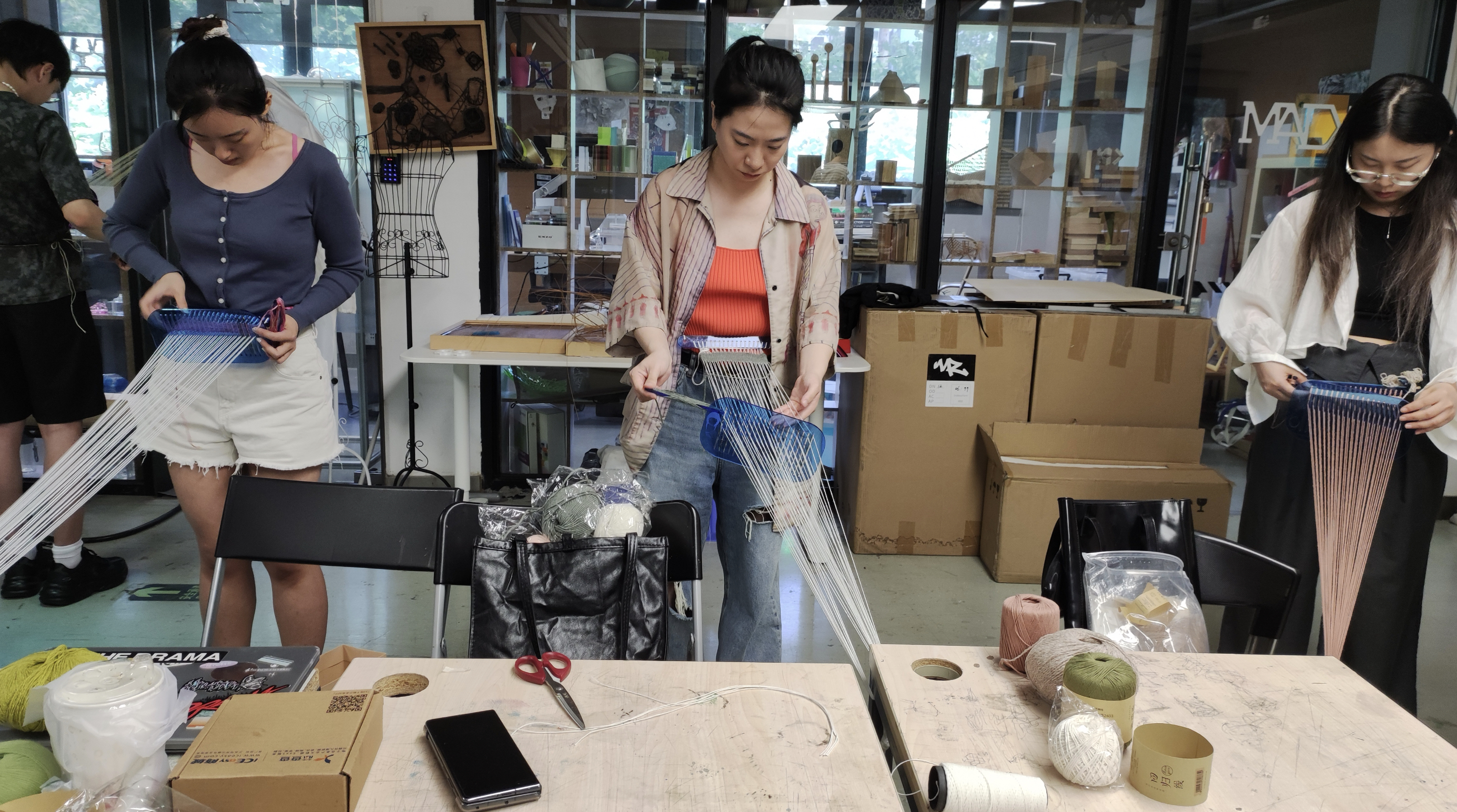
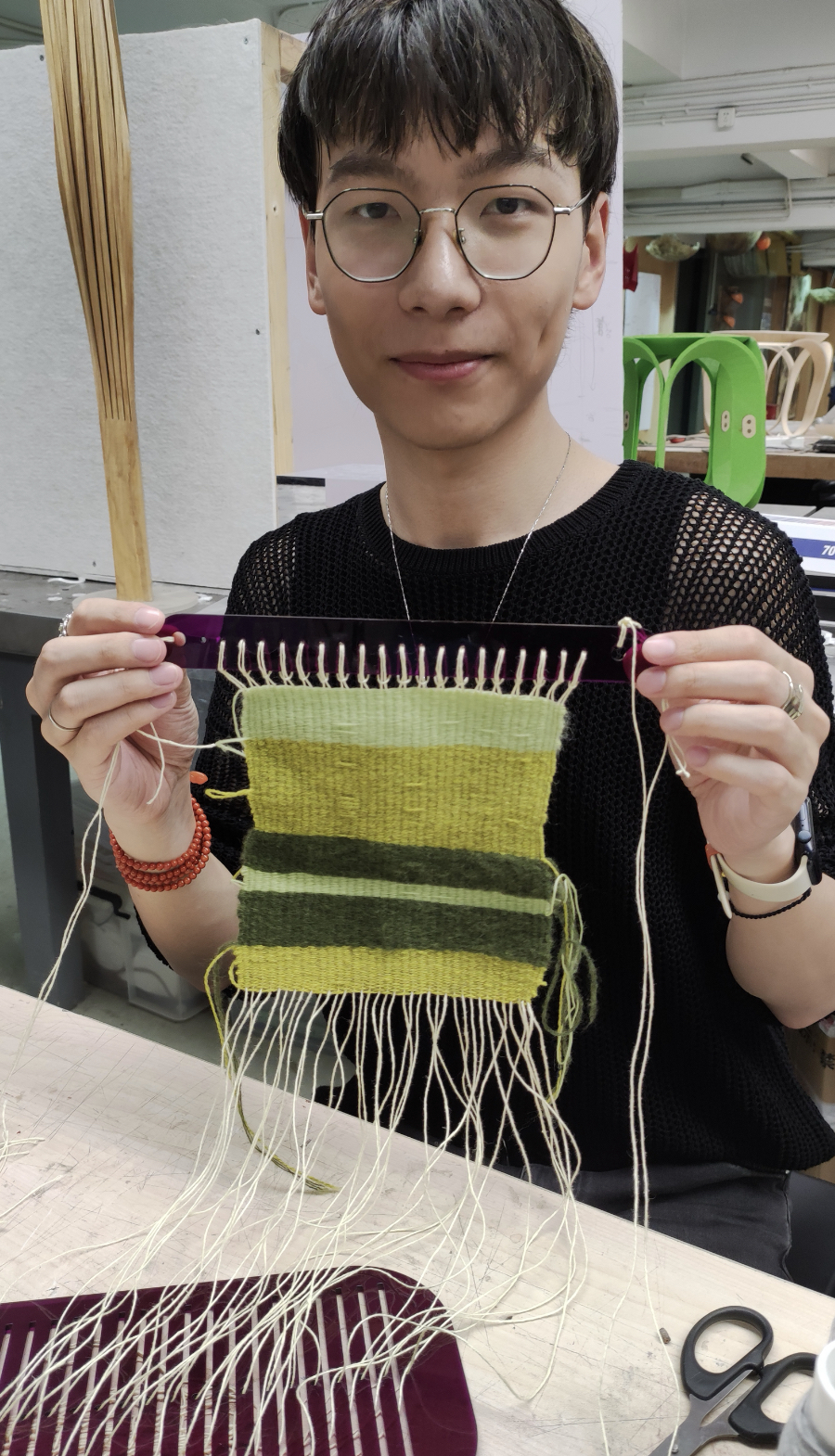
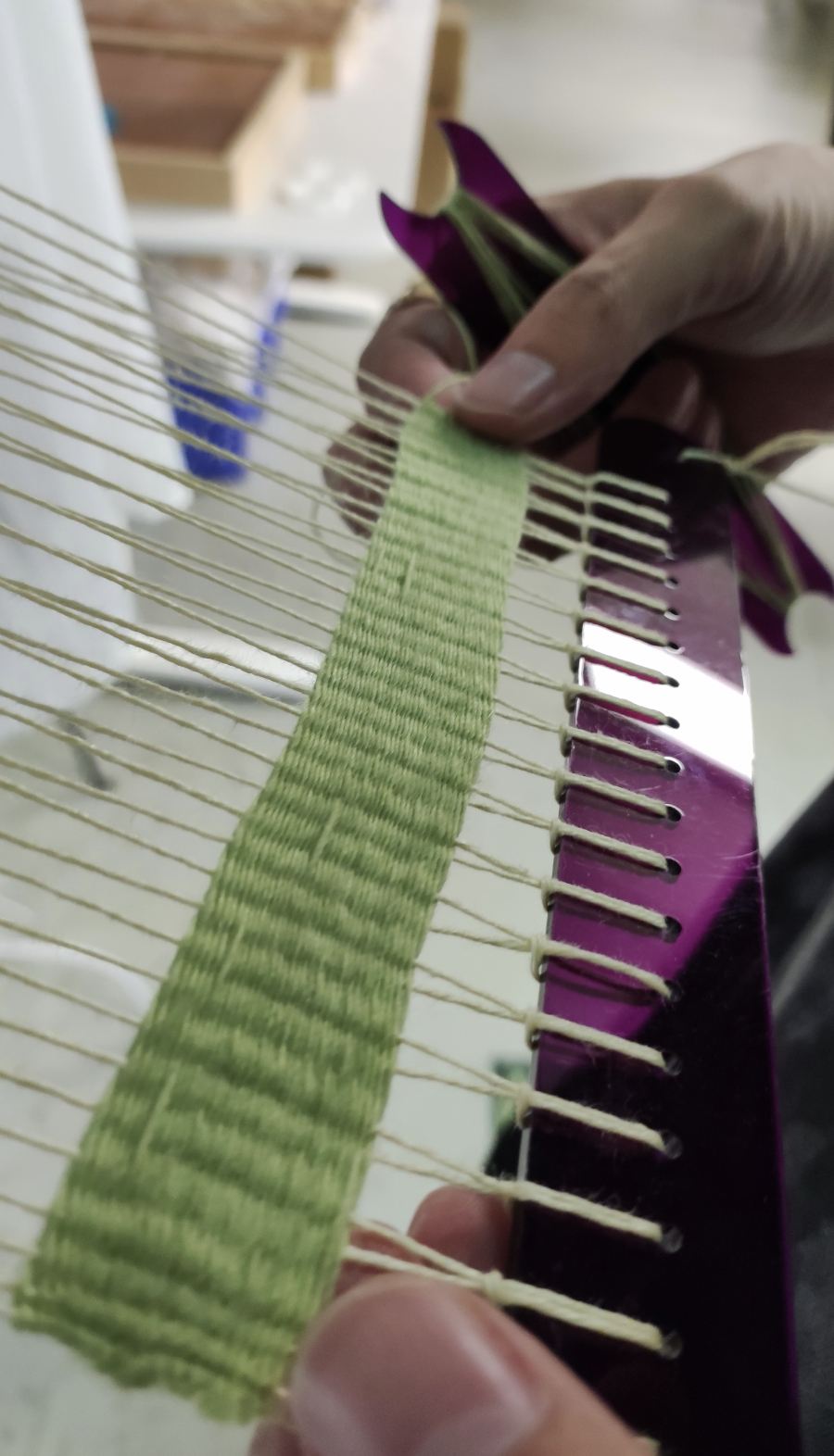
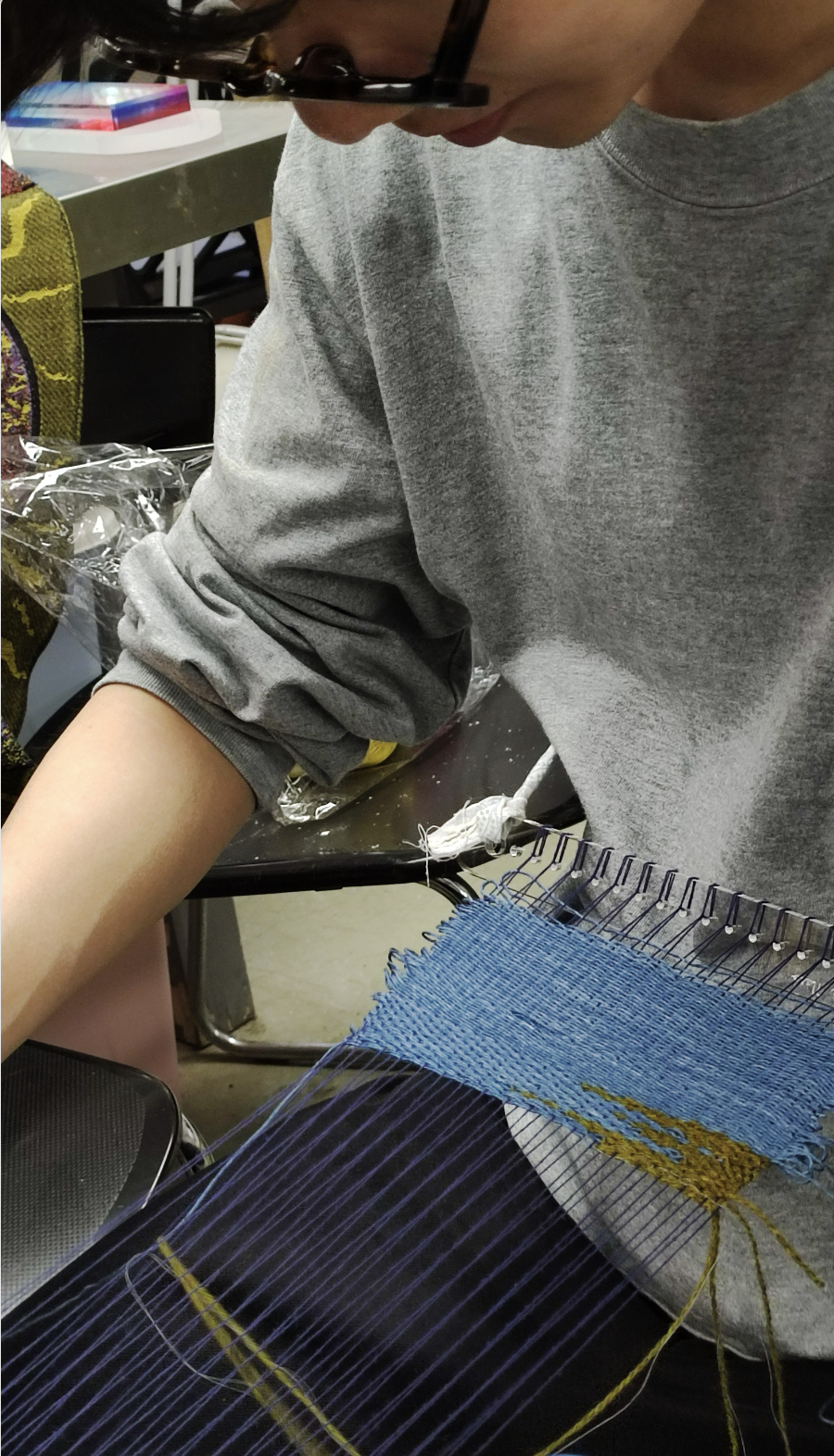
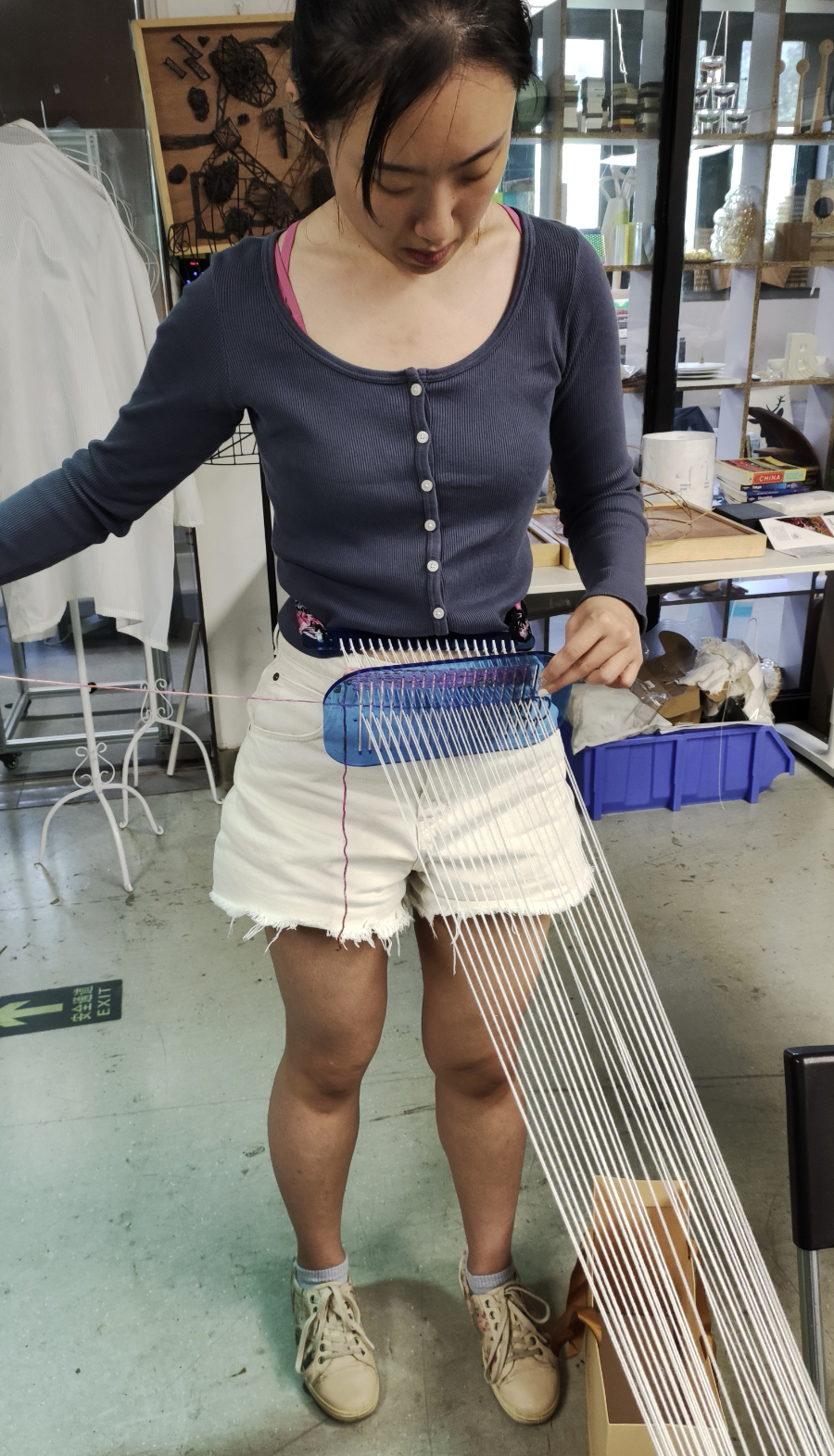
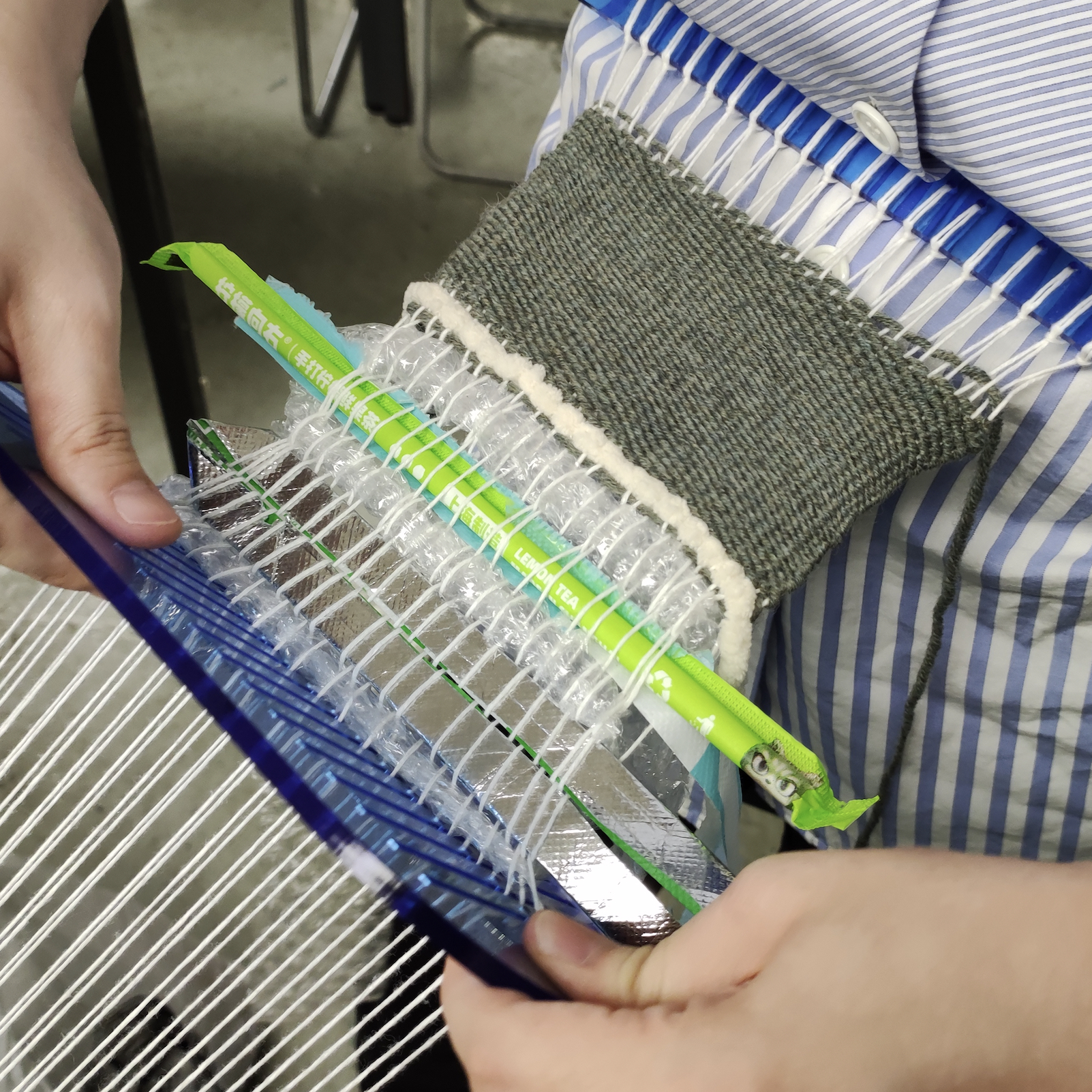
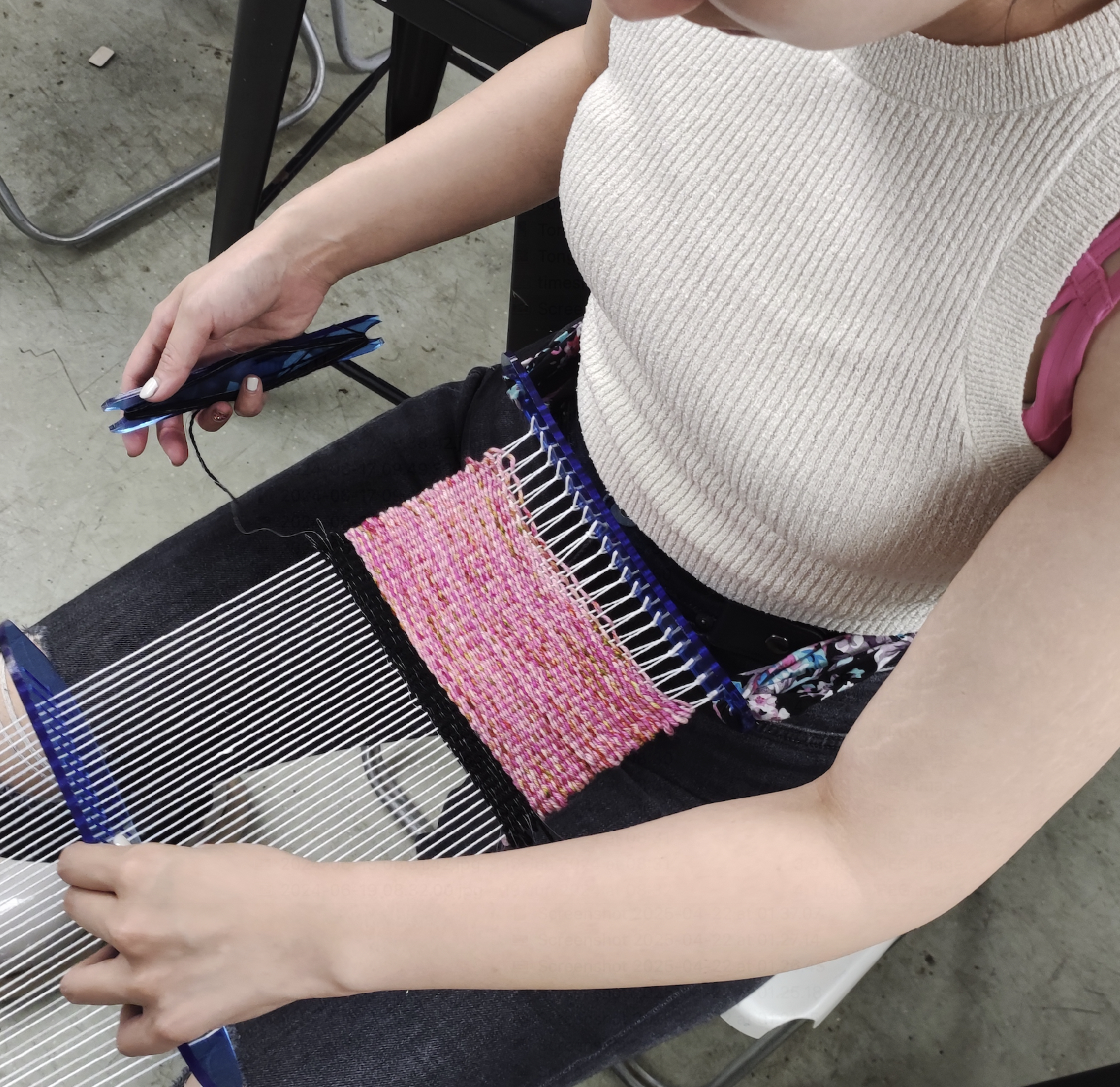
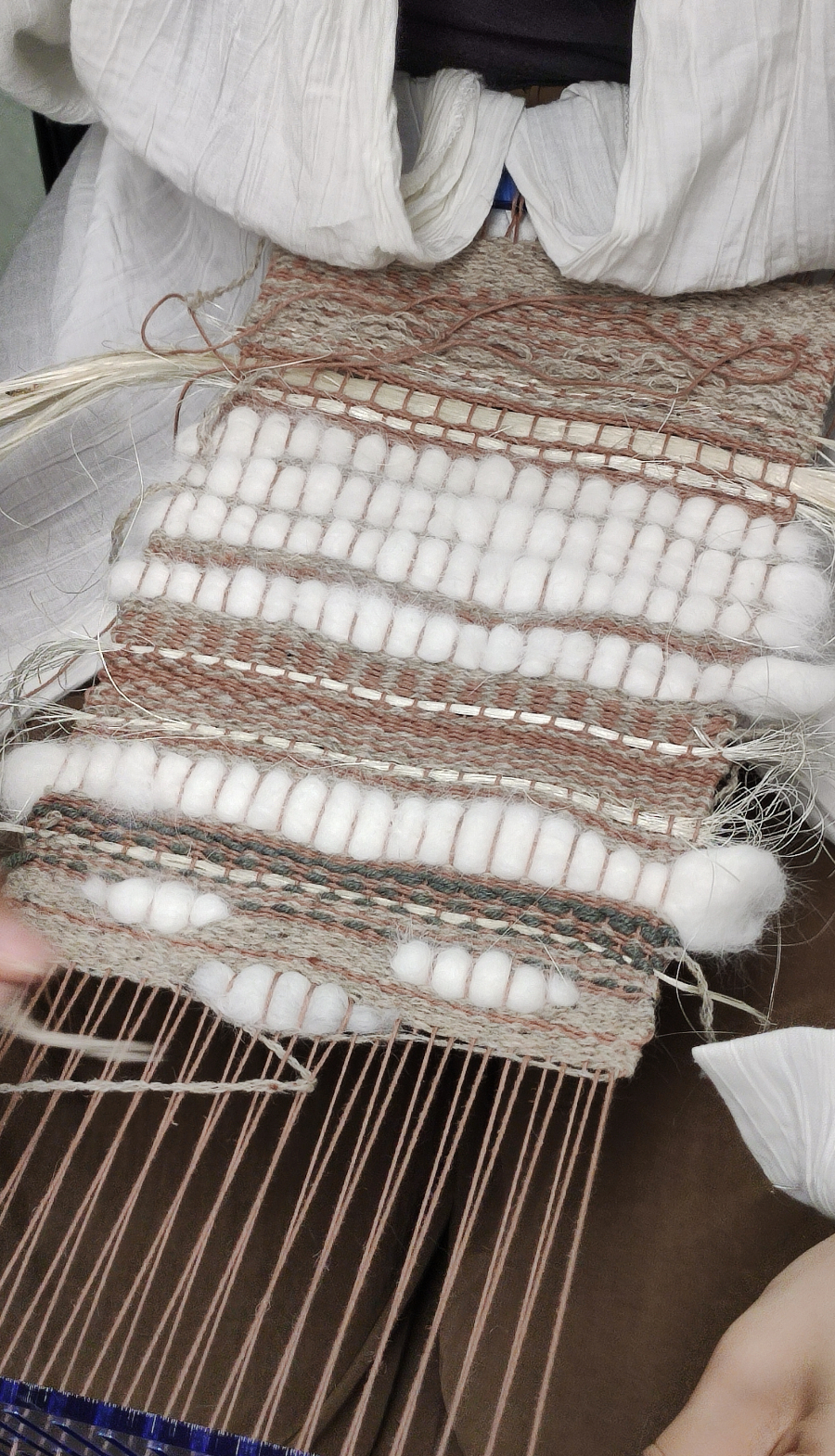
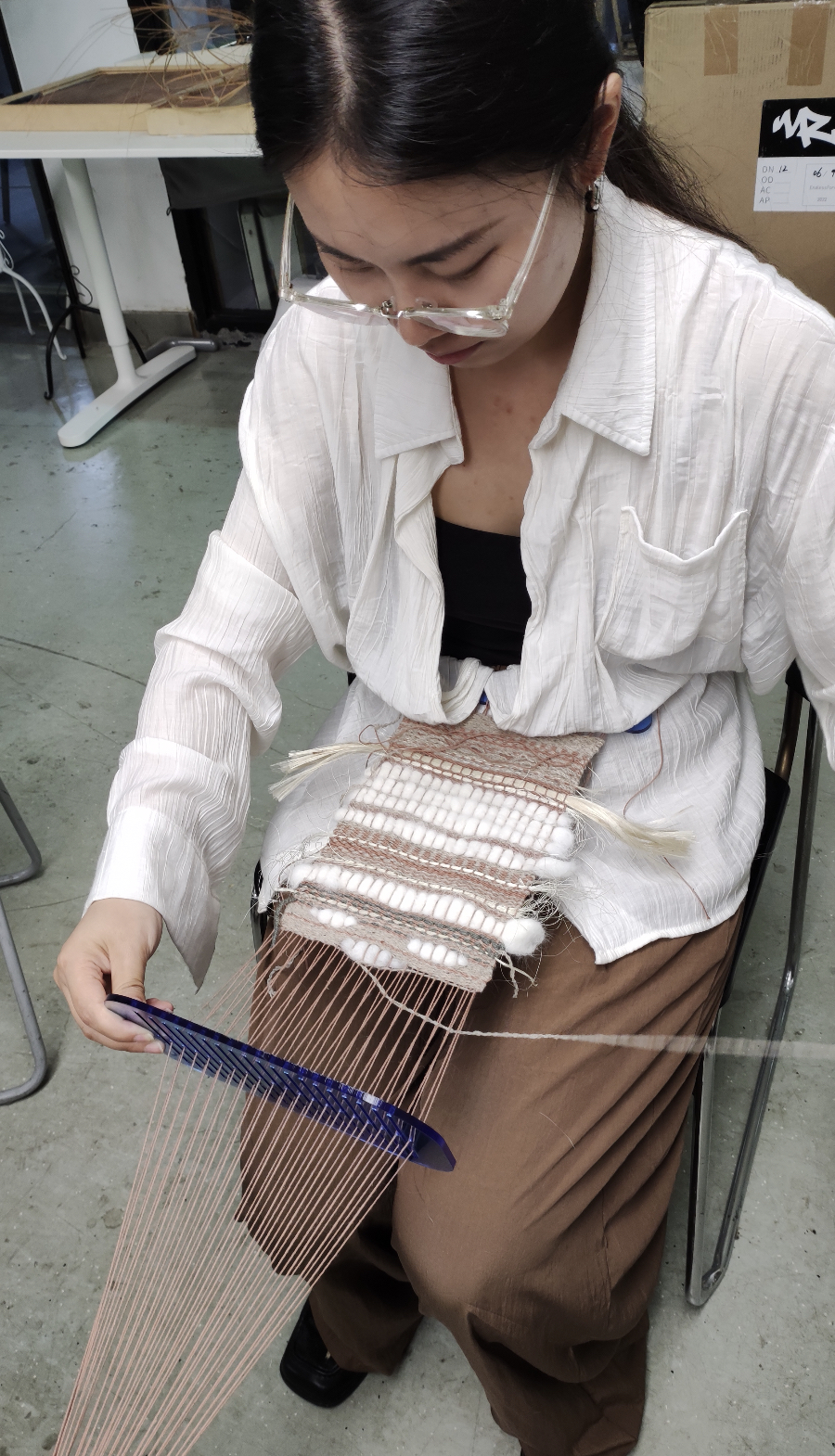
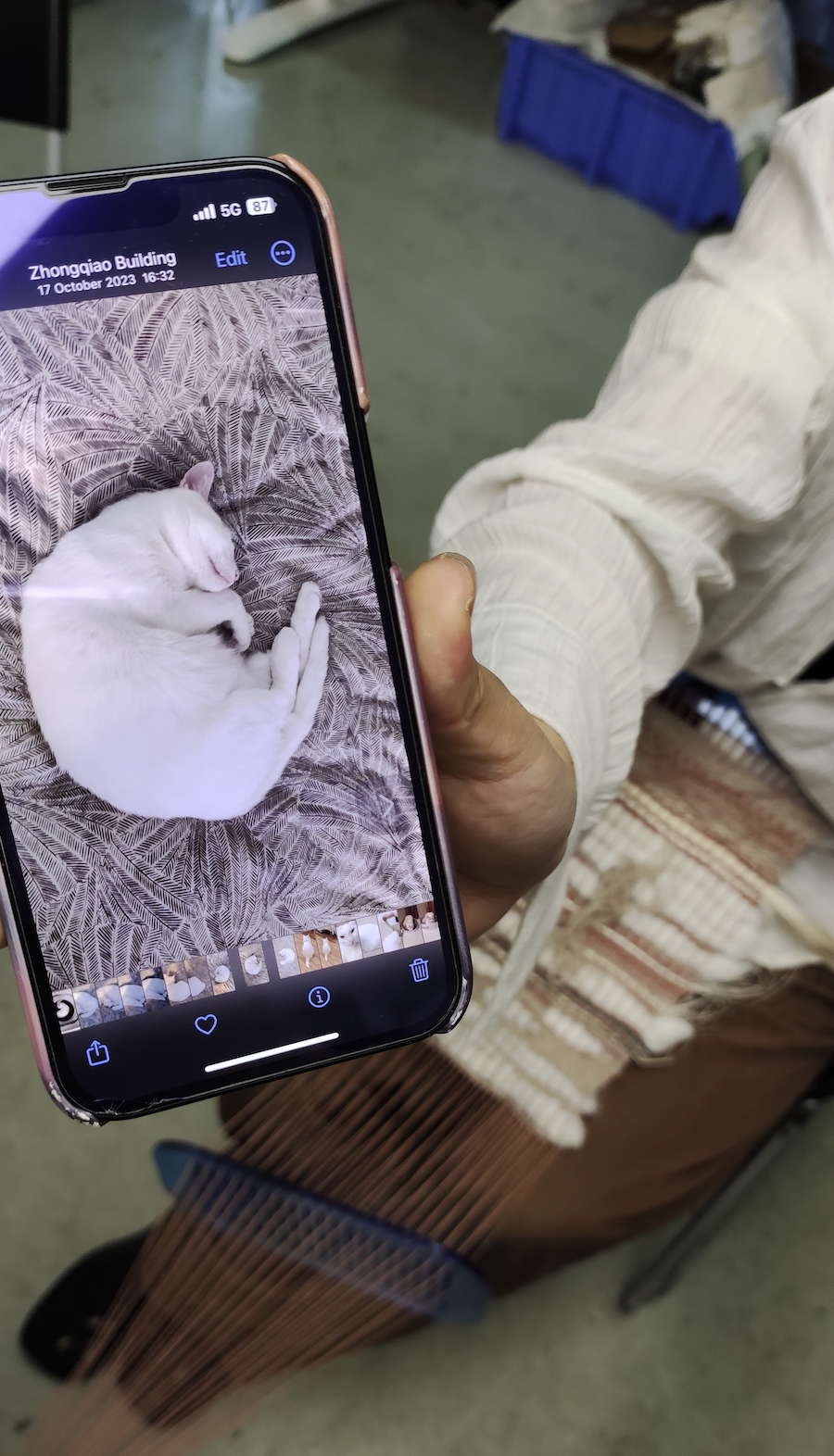
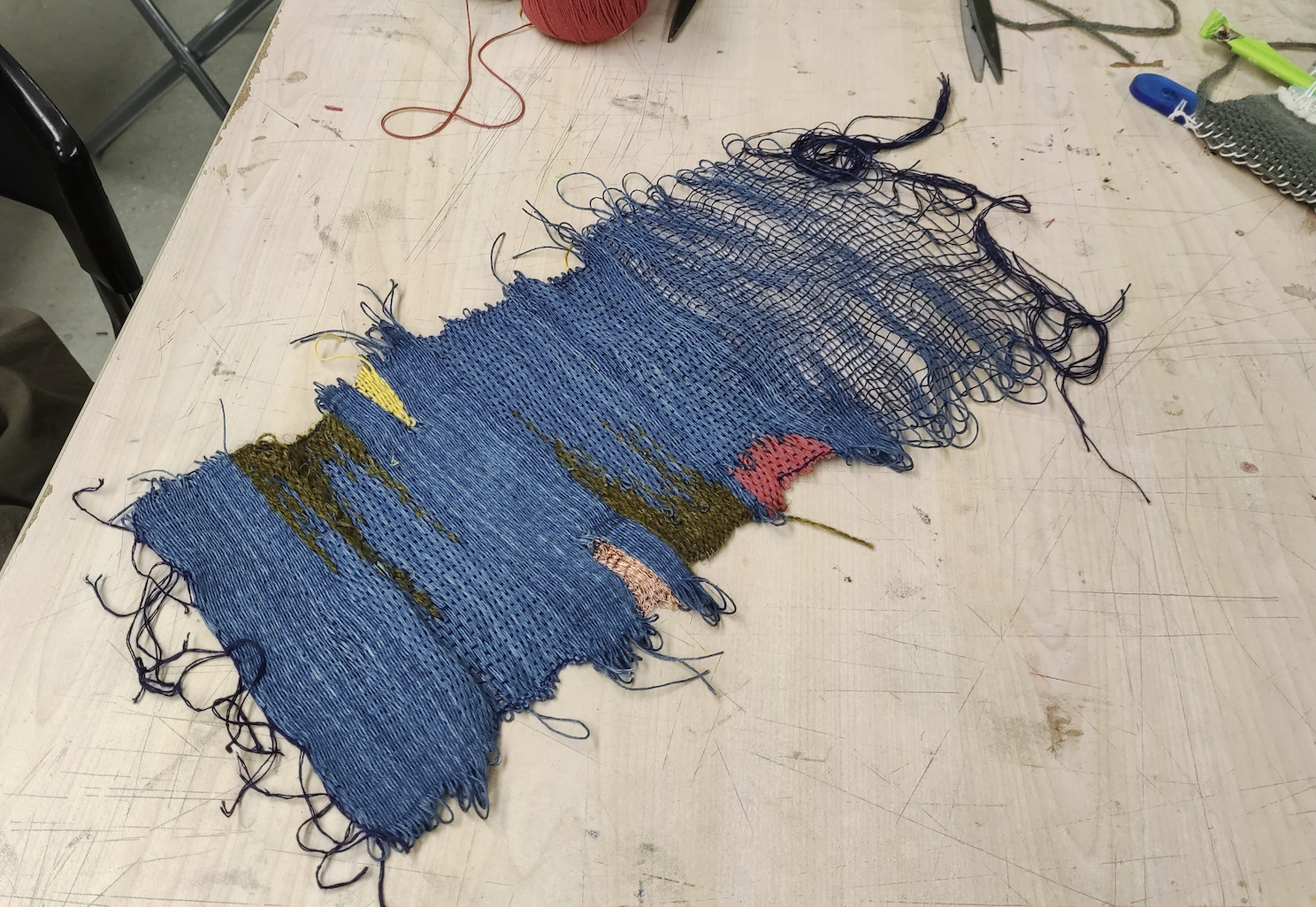
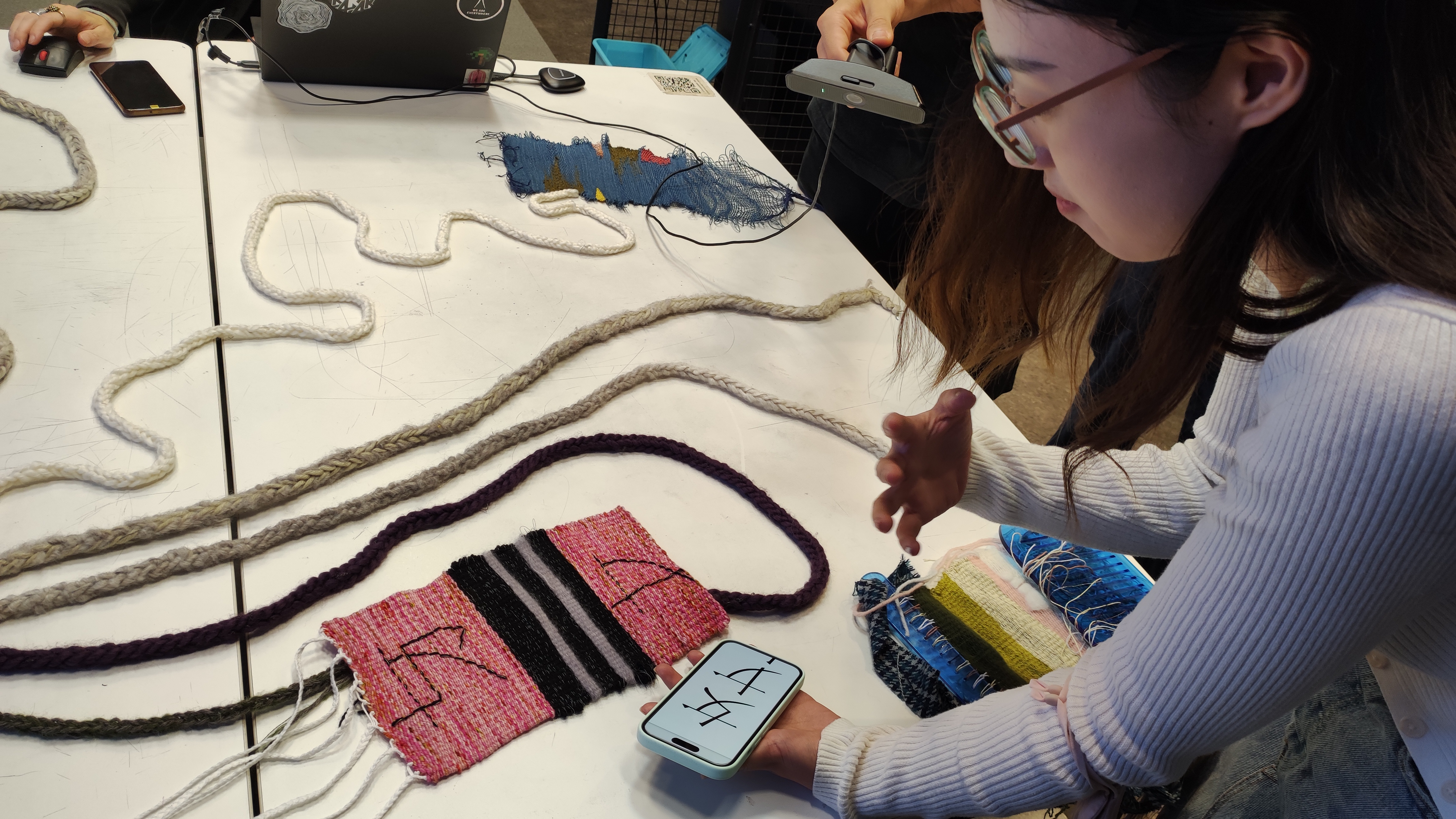
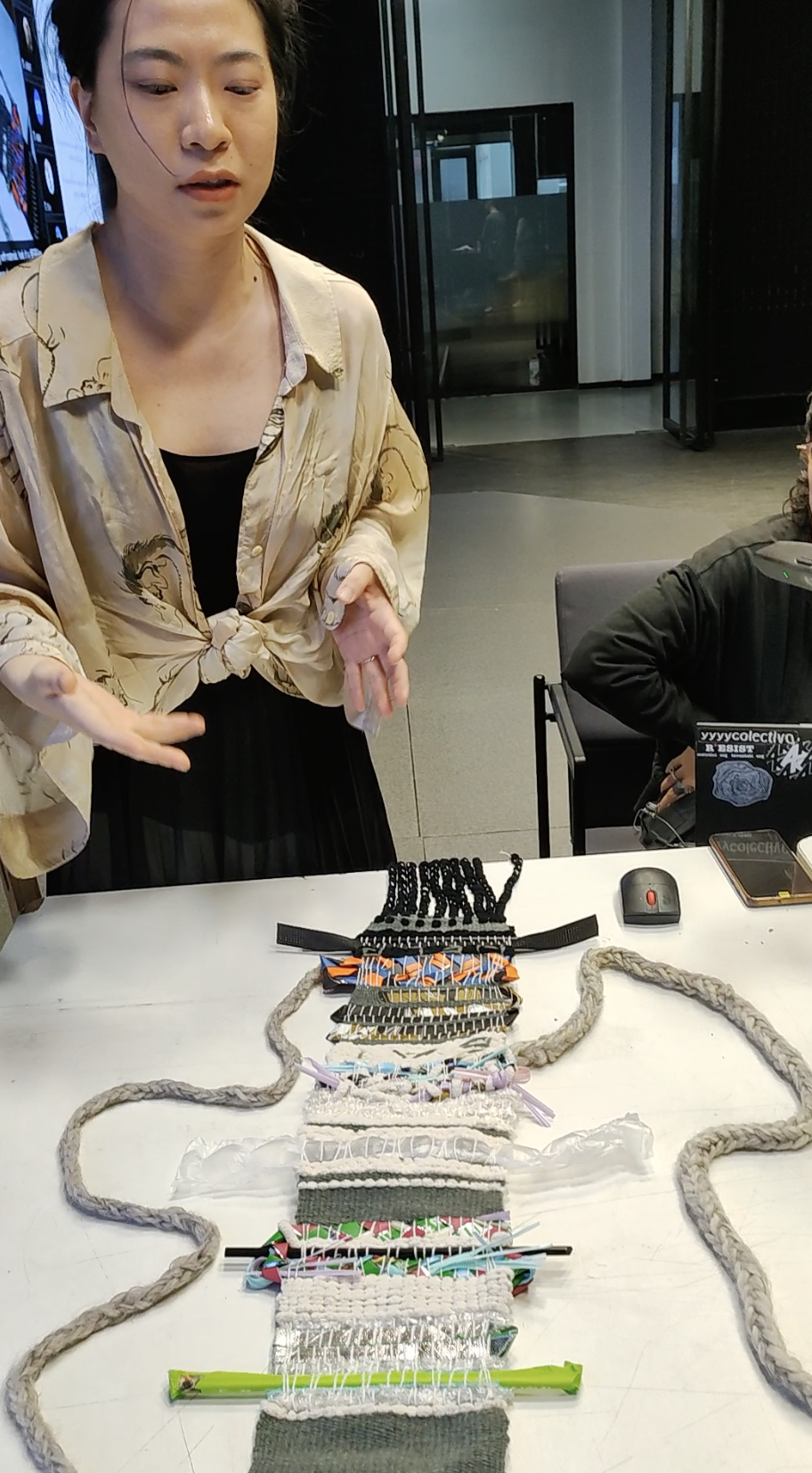
This interdisciplinary work, mixing weaving and interactivity, is first and foremost an exercise in moving the hands differently. Unlike the typical engagement with digital tools, where interaction is reduced to pressing fingers on plastic surfaces and watching screens for visual feedback, weaving with conductive materials demands a full-bodied tactile dialogue. The rhythmic threading of warp and weft, the tension held in the body during back-strap weaving, the direct manipulation of metal fibers: these gestures carry knowledge that fingers on keyboards cannot access and the feedback loop is fundamentally reimagined. Instead of the expected visual response on a screen, sound emerges from the woven textile itself, creating an interaction that is heard and felt rather than seen. This sonic dimension transforms the relationship between maker, material, and output, engaging multiple senses simultaneously and dissolving the separation between input and output that characterizes conventional digital interfaces. It is precisely through this return to haptic and auditory intelligence, to the wisdom embedded in craft traditions, that unusual and innovative modes of interaction can emerge. When we allow our hands to remember older ways of making while our ears attune to new forms of response, we open pathways to imagining technology that is more intimate, more responsive to the nuances of human touch and presence. The loom becomes not just a tool for fabrication, but a thinking device that challenges the screen-dominated, visually-centered paradigm of interaction design and invites us to weave together the tactile, the sonic, and the digital in genuinely new configurations.

 ZOESCOPE