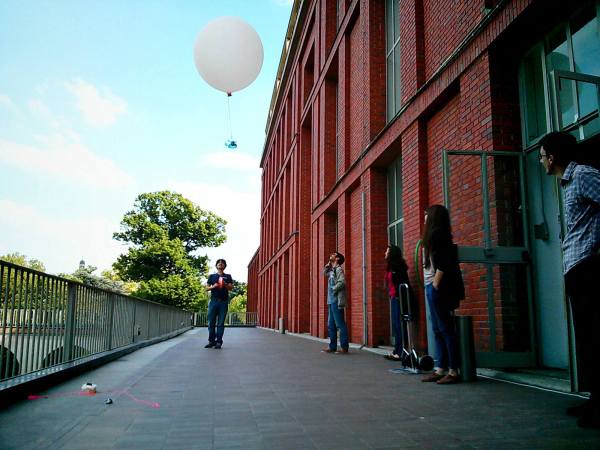
Aerial Mapping at Triennale
In May 2013 I organized with my partners at Wefab, a 2-day workshop of DIY Aerial Mapping to introduce to
In May 2013 I organized with my partners at Wefab, a 2-day workshop of DIY Aerial Mapping to introduce to
Articolo originariamente pubblicato su Chefuturo. Una delle peculiarità che rendono Fablab e Makerspace di forte impatto nel contesto sociale cui sono immersi è la loro capacità di trasformare gli individui dal ruolo di passivi utilizzatori a quello attivo di Makers in grado di trovare soluzioni alle proprie necessità, dare concretezza alle proprie intuizioni. Ciò è possibile da un canto attraverso la valorizzazione di strumenti e materiali locali, dall’altro canto attraverso una conoscenza condivisa globalmente, non per schemi generali imposti dall’alto, ma iterando in maniera continuativa teoria e pratica. Il percorso di questa trasformazione passa attraverso la capacità di guardare ciò che ci circonda con occhi nuovi perchè, forse per la prima volta, abbiamo provato sulla nostra pelle la felicità che ci coglie quando capiamo come funzionano gli oggetti intorno a noi e riusciamo a risolvere autonomamente delle necessità nostre o di altri, senza per forza indossare l’etichetta degli esperti. Steven Johnson in un interessante intervento a TED del 2010, con
read more 3 storie che dimostrano che la forza dell’innovazione non sono le tecnologie ma le persone
Articolo originariamente pubblicato su CheFuturo Le parole sono utili, i racconti e le spiegazioni scientifiche anche, ma finchè una tecnologia non si rende evidente nel risolvere problemi quotidiani o facilitare la nostra vita in modo concreto è difficile capire perchè è importante investirci. Il punto della fabbricazione rapida non è, per esempio, solo mostrare come funziona tecnicamente una stampante 3d, una lasercut o una fresa a controllo numerico. Conta soprattutto rendersi conto di cosa significhi in senso più ampio la sua applicazione nella nostra società. In che modo quindi la sua portata dirompente ci tocca direttamente e molto più rapidamente di quanto altre tecnologie lo hanno fatto nel passato. Con Wefab, progetto che sto seguendo parallelamente a Openwear, da più di un anno stiamo organizzando eventi (in attesa di avere un makerspace per farlo tutti i giorni ) cercando di individuare e mettere in pratica modi innovativi di abilitare le persone a creare e produrre autonomamente, attraverso la collaborazione e la
(Segue in italiano) When a couple of years ago I got interested in the development of the first open-source loom and interviewed Margarita Benitez of Osloom I suddenly realized the potentiality of weaving, knitting and crocheting in terms of modularity and flexibility. Now i’d like to present you two other projects that got my attention. They are not open-source, they are proprietary projects, but they show us how companies are researching and investing in new patented technologies that are revolutionizing the field. Start with watching these videos. the first is a glance on the Nike’s Flyknit technology and the second is a short interview with the designers who developed it. They show us the first example of the knitting of one piece of trainer uppers using flat and circular knitting technologies. The shoe weights only 160 grams and has multiple yarns of varying properties! Nike Flyknit technology film from Darrin Crescenzi on Vimeo. If you want to know more technical
Article originally published on Digicult – Articolo originariamente pubblicato su Digicult “I see no future without technology, but even future without nature, they must find a balance at some point.” This is the statement by Markus Kayser, German designer with a studio in London, who with his latest project Solar Sinter, has won the Arts Foundation Fellowship 2012 (http://artsfoundation.co.uk/Artist-Year/2012/all/318/Kayser) for the Product Design category and was shortlisted for the prestigious Design of the Year 2012 sponsored by Desing Museum of London (http://www.designsoftheyear.com/category/genre/product/product -2012/page/2/). With Solar Sinter, Markus found a meeting point between technology and nature, going behind the process of creation of objects: sun, heat and sand. In addition to the marriage between technology and nature, he has also found a link with the history and the origins of the creation of glass objects, which have appeared in Egypt since ancient times. The idea is simple: the sand in the Egyptian desert is mainly silica, ie when heated to a certain temperature it melts and is transformed into glass, once it has
read more Markus Kayser: Sun and desert in the industry of tomorrow
 ZOESCOPE